
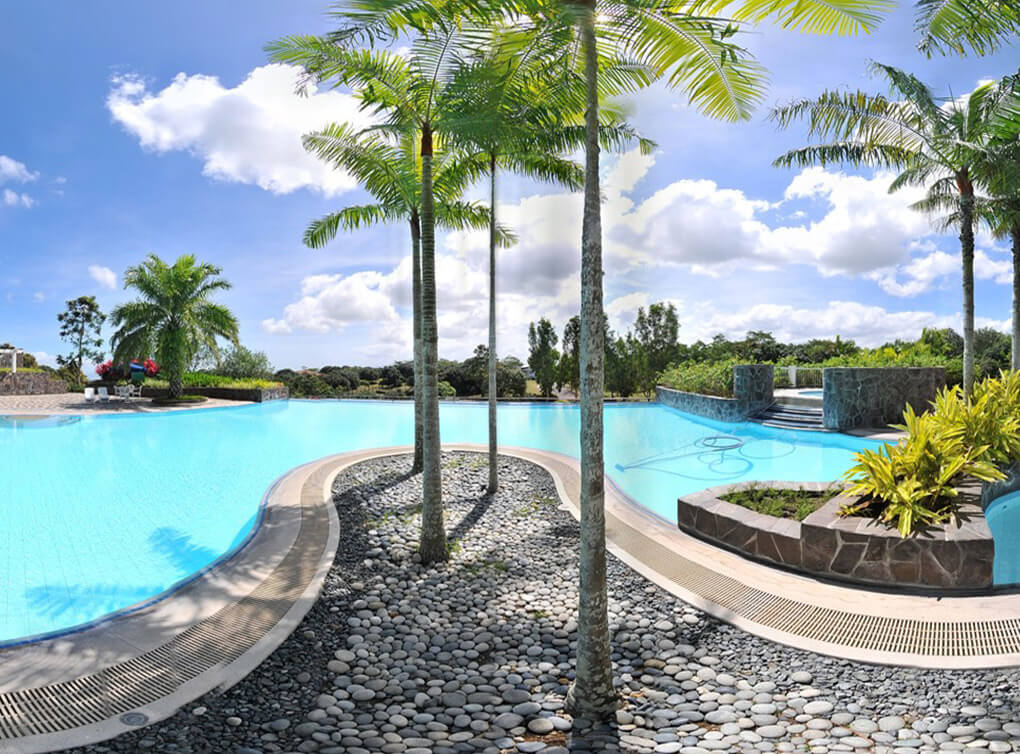
Every swimming pool project requires a capable contractor. Finding a reliable pool builder dictates the longevity of your investment. A poorly constructed pool suffers from leaks, cracked tiles, and failing circulation systems. Midtown Pools Center provides exceptional pool construction services across the Philippines. We focus entirely on durable materials, exacting craftsmanship, and strict engineering standards. Your backyard deserves a permanent, beautiful aquatic facility. Building a concrete swimming pool requires precision, knowledge, and heavy labor.
What Defines a High-Quality Pool Builder?
- Selects premium, graded materials suited for tropical environments.
- Employs skilled craftsmen for precise tile application and structural plastering.
- Follows rigorous structural engineering blueprints and load calculations.
- Installs energy-efficient hydraulic and mechanical water filtration systems.
- Maintains transparent project timelines and clear site management.
- Applies multiple layers of specialized waterproofing compounds.
- Understands local soil mechanics and weather patterns.
How Do Premium Materials Affect Your Swimming Pool?
The structural shell of your swimming pool depends entirely on the raw materials used during the initial phases. Low-grade materials degrade quickly under constant water pressure and chemical exposure. A dedicated pool builder carefully sources every single component.
Concrete and Steel Reinforcement
The foundation of a reliable swimming pool is the steel rebar cage. Midtown Pools Center uses heavy-duty, graded steel bars tied at precise intervals. This steel grid forms the skeleton of the pool. High-tensile steel resists the immense weight of the water.
Once the steel is in place, applying the right concrete mixture is the next step. Pneumatically applied concrete, often called shotcrete or gunite, creates a solid, monolithic shell. The concrete must reach a high pounds-per-square-inch (PSI) rating. High-PSI concrete resists cracking and settling. It forms an impenetrable barrier against ground moisture. The mixture must cure properly over several weeks to achieve maximum hardness.
Plumbing Networks and PVC Standards
Water circulation relies on a hidden network of pipes. Substandard pipes crack under pressure or shift underground. A superior pool builder uses thick-walled Schedule 40 or Schedule 80 PVC plumbing lines. These industrial-grade pipes handle high-velocity water flow without bursting. Installers apply heavy-duty primers and solvent cements to every joint. Every fitting must sit perfectly flush to stop underground leaks. The plumbing layout must accommodate adequate suction and return lines. Proper pipe sizing prevents strain on the mechanical pumps.
Superior Tiles and Interior Finishes
The interior surface faces constant exposure to chlorine, acid, and ultraviolet light. Glass mosaic tiles and natural stone finishes offer extreme durability against these elements. Cheap ceramic tiles often chip or lose their glaze after a few years. Premium glass tiles resist chemical corrosion and maintain their color indefinitely.
Plaster finishes require pure white cement mixed with crushed marble or quartz. These aggregates create a smooth, hard surface that resists algae attachment. The chosen finish dictates the final watercolor and the tactile feel of the pool floor. Pebble finishes represent the highest tier of interior surfaces. Installers mix small, smooth river pebbles with cement. The crew sprays this mixture onto the walls and washes away the top layer of cement to expose the stones. Pebble finishes offer incredible durability and a natural, textured feel underfoot.
Why Does Craftsmanship Matter in Pool Construction?
Materials only perform well when installed by expert hands. Craftsmanship separates an average swimming pool from a masterpiece. Every phase requires extreme attention to measurement and alignment.
Precision Excavation and Layout Engineering
The digging process sets the stage for the entire project. Heavy machinery operators must excavate the soil exactly according to the architectural blueprints. Over-digging wastes concrete. Under-digging weakens the structural integrity. The walls of the excavated hole must remain plumb and true.
The crew sets wooden forms to establish the exact elevation of the pool beam. This beam must sit perfectly level. A pool beam that is unlevel by just a fraction of an inch will display an obvious, crooked waterline. Midtown Pools Center uses laser leveling tools to establish perfect elevations.
Flawless Waterproofing Applications
Concrete alone cannot hold water permanently. Concrete is naturally porous. Water will slowly migrate through the microscopic capillaries in the concrete shell. Professional swimming pool contractors Philippines apply multiple layers of cementitious waterproofing to the interior shell. The crew rolls or sprays these compounds onto the concrete, creating a flexible, impenetrable membrane.
The application requires careful timing. The concrete must reach the correct moisture level before the waterproofing adheres properly. Corners, steps, and plumbing penetrations receive extra layers of sealant. These vulnerable areas are prone to leakage if ignored.
Masterful Tile Laying and Coping Installation
Setting waterline tile requires immense patience and skill. The tile setter must align every grout line perfectly around the entire perimeter. Crooked tiles ruin the visual appeal of the water surface. The workers use specialized underwater-rated thin-set mortars. Standard tile adhesives degrade rapidly underwater. The grout must resist chemical erosion.
Coping stones sit on top of the pool wall. These stones border the water edge. Masons must level every individual stone and mortar it securely into place. The overhang must remain consistent around the entire shape. Smooth, rounded bullnose edges prevent injuries and provide a comfortable handhold for swimmers.
What Construction Standards Should a Pool Builder Follow in the Philippines?
The geographical location dictates the engineering requirements of the project. The Philippines presents specific environmental challenges. A responsible pool builder designs the structure to withstand local climate variables.
Adapting to Tropical Weather and Ground Movement
The Philippine climate features intense heat followed by torrential monsoon rains. Soil conditions change drastically between the dry and wet seasons. Clay-heavy soils absorb rainwater and expand violently. This expansion exerts tremendous pressure against the pool walls. During the dry season, the soil shrinks and pulls away from the concrete.
Structural engineers calculate these shifting loads. They design the steel reinforcement grid to flex slightly without cracking the concrete shell. Proper drainage systems around the pool deck divert heavy rainwater away from the structure. Flooded decks lead to contaminated pool water and weakened soil foundations.
Wind Factors and Skimmer Placement
The Philippines experiences distinct monsoon seasons with predictable wind patterns. The Amihan and Habagat winds blow debris, leaves, and dust across the yard. A skilled pool builder studies these wind patterns before placing the surface skimmers. The skimmers must sit on the downwind side of the pool. The wind will naturally push floating debris directly into the skimmer openings. Placing skimmers on the wrong side forces the circulation system to fight against the wind. Debris will float on the surface and eventually sink to stain the floor.
Hydraulic Efficiency and Circulation Codes
Stagnant water becomes a breeding ground for bacteria and mosquitoes. A high-quality pool builder calculates the exact hydraulic turnover rate needed for the water volume. The turnover rate is the time required to push all the water in the pool through the filtration system. Proper standards demand a complete turnover every six to eight hours.
Achieving this requires the exact calculation of total dynamic head. This measurement accounts for the friction inside the pipes, filters, and heaters. The engineers select a pump capable of overcoming this resistance. Multiple skimmers pull debris from the surface. Main drains circulate water from the deep end. Return jets distribute the filtered water evenly across the entire pool. This eliminates dead zones where algae can grow.
Electrical Safety Protocols
Water and electricity create a dangerous combination. Strict adherence to electrical codes prevents fatal accidents. All underwater lights must run on low-voltage transformers. The electrical panel requires specialized ground-fault circuit interrupters. These devices cut the power immediately upon detecting a stray electrical current.
Experienced electricians bond the entire steel rebar grid, the pump motors, and all metal handrails to a common grounding wire. This bonding grid safely dissipates any rogue electrical charges into the earth. The equipment pad must sit on a raised concrete platform. This protects the electrical components from flooding during heavy rains.
The Role of Advanced Filtration and Chemistry Systems
A beautiful concrete shell requires clean, safe water. The mechanical equipment pad acts as the heart and lungs of the swimming pool. Midtown Pools Center installs commercial-grade filtration units.
Sand filters, cartridge filters, and diatomaceous earth filters trap microscopic debris. Sand filters use specialized silica sand to catch particles. Cartridge filters feature pleated paper elements that offer a massive surface area for catching dirt. Diatomaceous earth filters provide the highest level of clarity by trapping particles as small as three microns. The builder matches the filter capacity to the pump output. An undersized filter will clog quickly and strain the pump motor.
Sanitation systems destroy bacteria and viruses. Traditional chlorine feeding systems require constant monitoring. Many modern facilities utilize salt chlorine generators. These systems convert regular salt into pure, liquid chlorine. This method provides softer water and eliminates the harsh chemical smell associated with traditional pools. Automated chemistry controllers monitor the pH and oxidation-reduction potential of the water continuously. These controllers inject precise amounts of acid and chlorine exactly when needed. This automation keeps the water chemistry perfectly balanced around the clock.
Understanding the Pool Construction Timeline
Building a concrete swimming pool requires significant time and heavy labor. Rushing the process leads to structural failures. A reliable pool builder provides a realistic schedule.
The initial phase involves design approvals and securing local building permits. Heavy machinery arrives for the excavation phase. Digging usually takes just a few days, depending on soil hardness and site access. The steel crew then spends several days tying the rebar cage. Plumbers install the underground pipe network simultaneously.
The concrete application requires a massive coordinated effort. Trucks deliver the material. Crews spray it into place. The concrete then enters a strict curing phase. The shell must sit for roughly twenty-eight days to reach its full structural strength. The crew keeps the concrete damp during this period to prevent shrinkage cracks.
Once the shell cures, the finishing work begins. Waterproofing membranes require precise drying times between coats. Tile setters install the waterline tiles and coping stones. Electricians wire the equipment pad and underwater lights. The interior finish is applied last. Plaster or pebble finishes must be troweled smoothly by hand.
The filling process begins immediately after the plaster sets. The startup phase involves balancing the initial water chemistry. The owner or maintenance team must brush the pool surfaces daily to remove plaster dust. The filtration system must run continuously to capture this dust. Midtown Pools Center handles this complex startup phase to protect the new interior finish.
Surrounding Deck Construction
The area surrounding the water is just as critical as the pool itself. The deck must provide a safe, slip-resistant surface for walking. A quality pool builder prepares the deck foundation meticulously. The crew compacts the soil using heavy tamping machines to prevent future settling. They install a grid of steel rebar over the compacted soil. This steel connects to the main pool shell to prevent the deck from shifting independently.
The surface material requires careful consideration. Unsealed concrete absorbs stains and grows mold in damp tropical environments. Stamped concrete offers the look of natural stone while providing excellent traction. Natural travertine stone pavers remain cool to the touch even under direct sunlight. The pavers rest on a bed of crushed rock and sand. This allows them to shift slightly during heavy rains without cracking.
Choosing Midtown Pools Center for Your Project
Your property deserves a professionally constructed aquatic facility. Trusting an inexperienced contractor puts your investment in jeopardy. Midtown Pools Center brings years of dedicated expertise to the Philippine market. We prioritize absolute structural integrity and stunning visual design. Our teams execute every phase of the project with exact precision. We source the finest tiles, the thickest plumbing, and the most reliable pumps available.
Every project receives our full attention from the initial soil excavation to the final water balancing. We manage the heavy machinery, the structural steelwork, and the delicate tile installations. A swimming pool should provide decades of enjoyment without constant repairs. We build facilities meant to last through heavy typhoons and intense tropical summers. The difference lies in our refusal to compromise on raw materials and engineering standards.
Ready to build your dream backyard oasis? Contact Midtown Pools Center today to schedule your site evaluation. Our experienced builders will evaluate your property, discuss your design preferences, and provide a detailed project plan. Stop dreaming about a perfect swimming pool and start building it. Call Midtown Pools Center right now or visit our contact page to secure your spot on our construction schedule. Your beautiful, long-lasting pool awaits.